
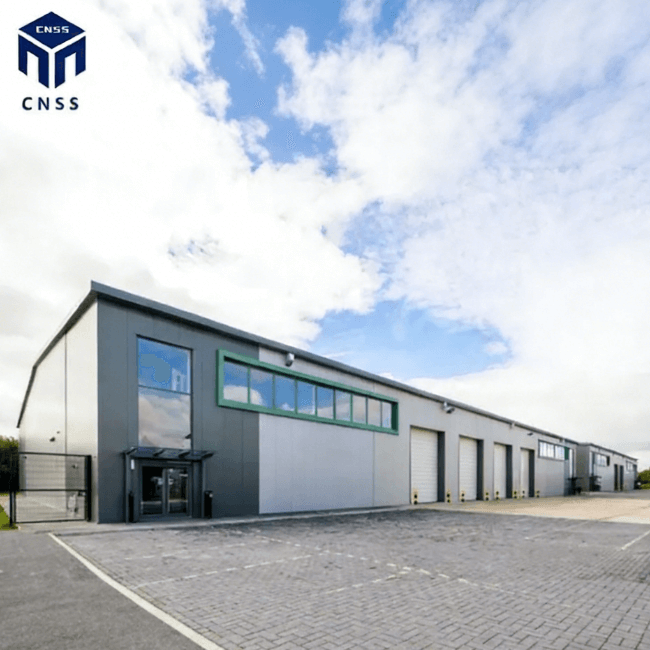
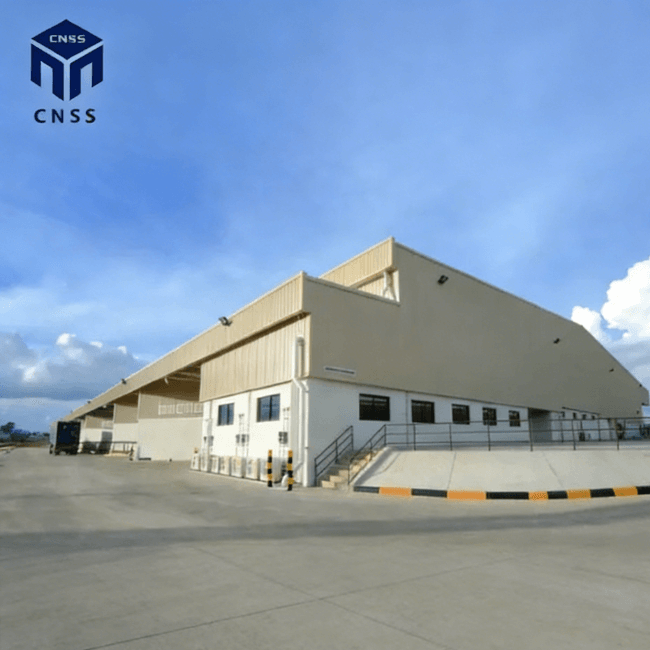
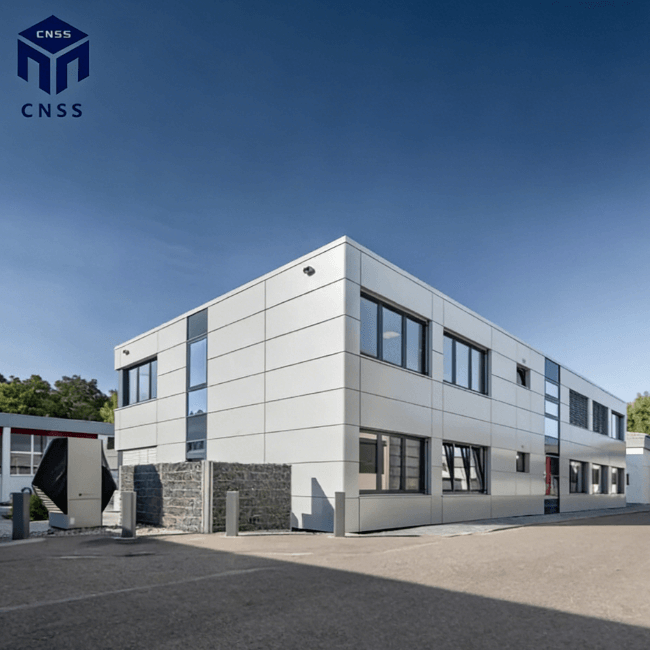
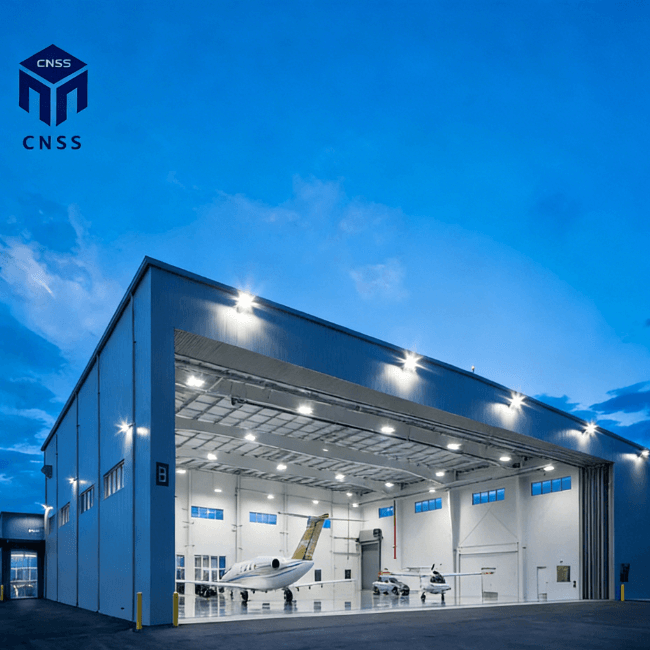
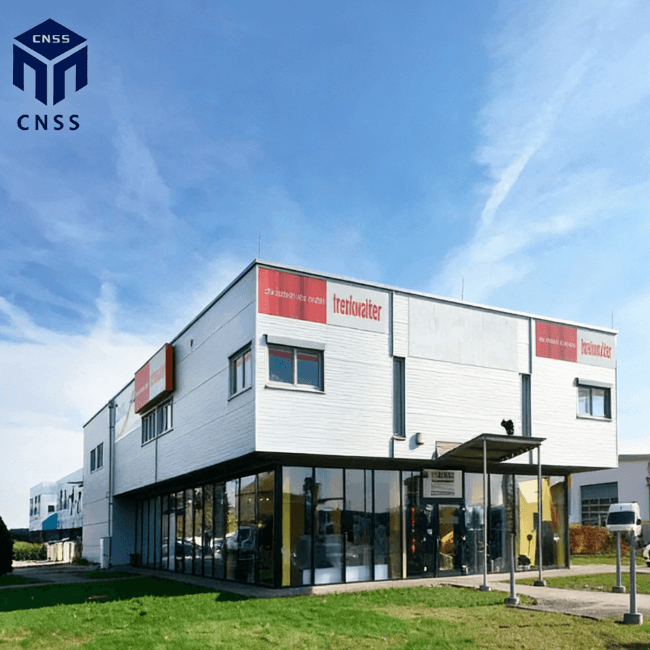
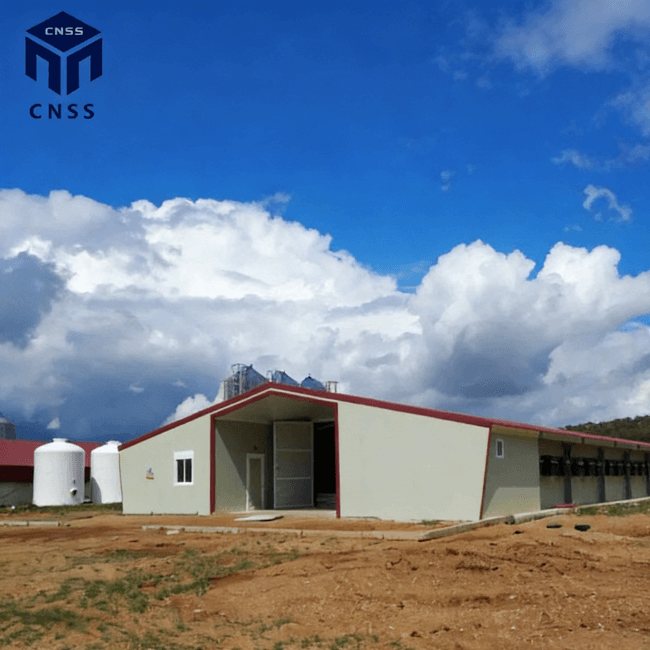
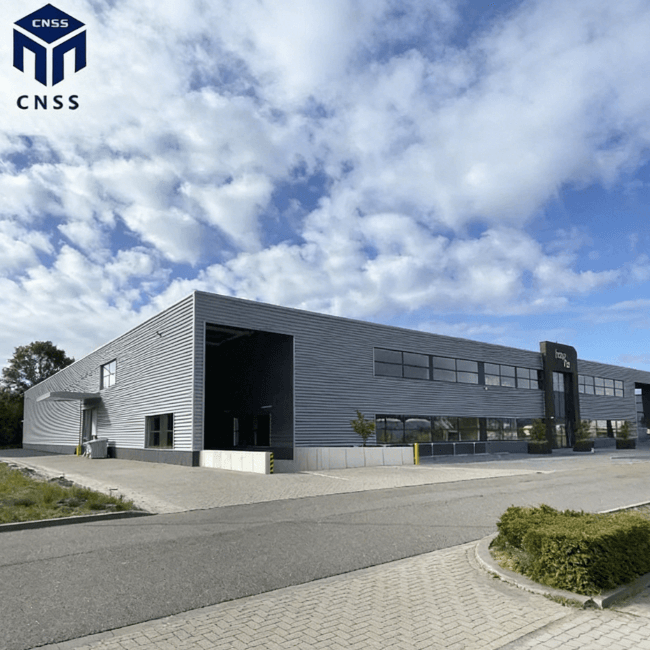
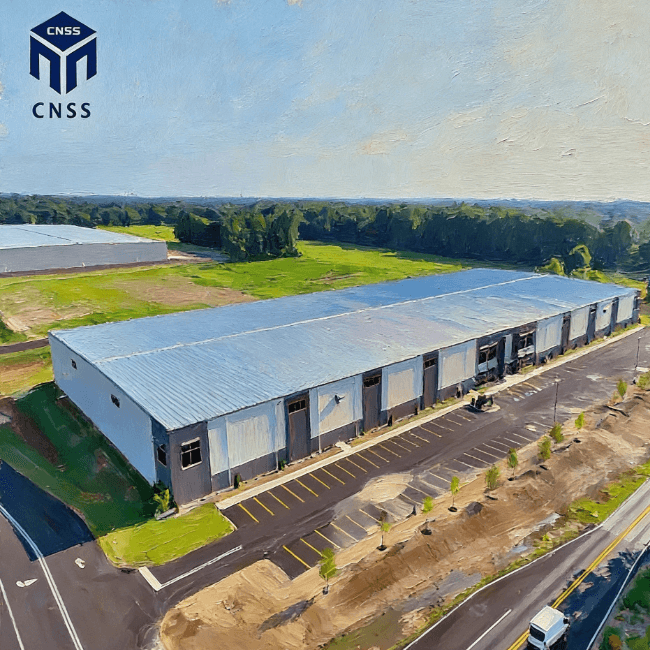
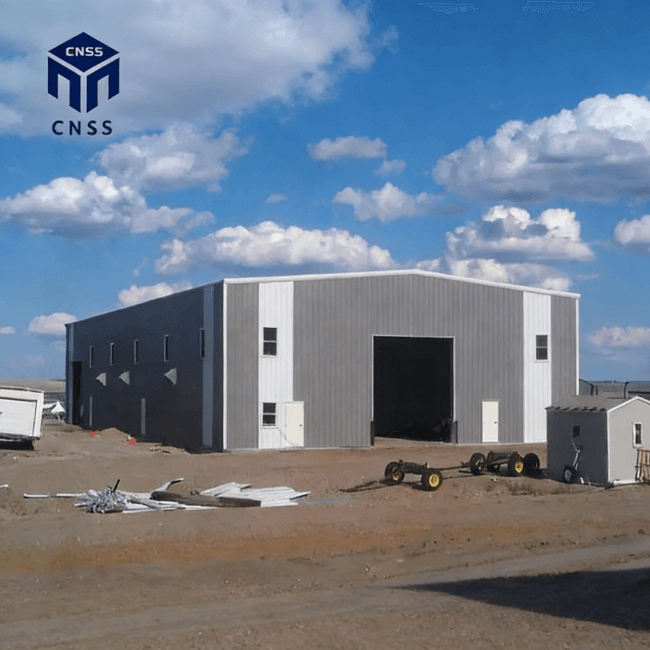
The building industry is moving from traditional methods to prefabricated structures. Because of their low cost, long-lasting, and quick installation, PEMBs have been preferred in the projects of commercial, residential, and agricultural nature.
What Are Pre-Engineered Buildings?
Pre-engineered building components are designed and fabricated in a factory, then assembled at the construction site. These components provide a high strength-to-weight ratio compared with conventional buildings. This allows for faster, simpler installation and lowers labor and equipment costs.
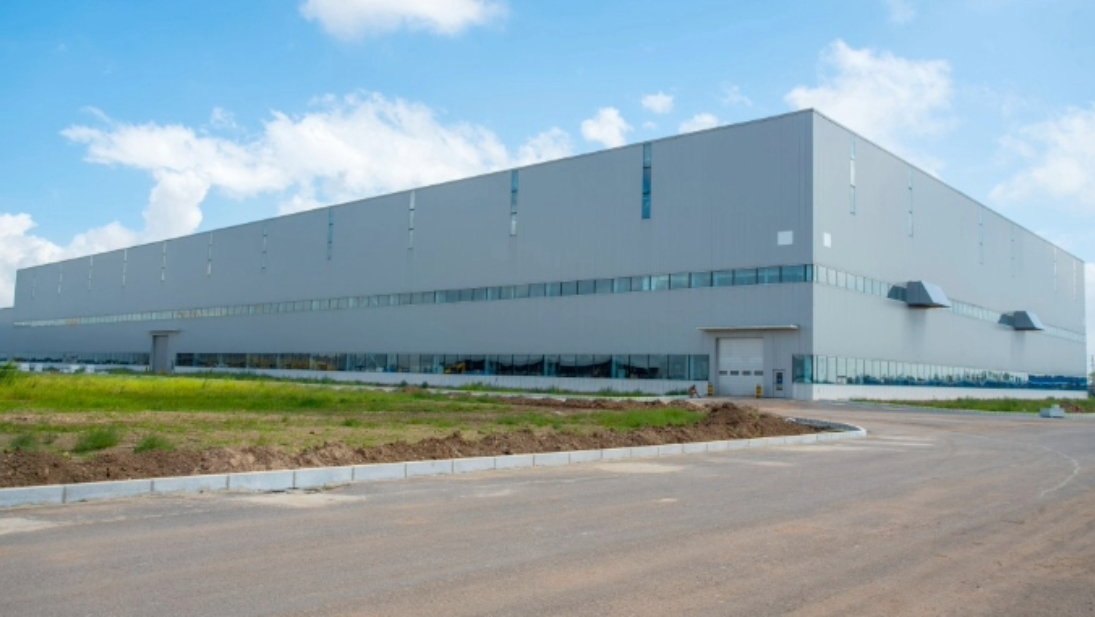
What Are the Benefits of a Pre-Engineered Buildings?
Pre-engineered buildings have many benefits compared to traditional construction, making them a popular choice for commercial and industrial projects
Cost-Effective
PEBs reduce upfront costs by optimizing steel usage and minimizing material waste. Simple installation helps keep overall building costs low.
Eco-Friendly
Components are prefabricated in the factory, which significantly reduces on-site construction waste and minimizes environmental impact.
Fast Construction
Pre-engineered buildings’ parts can be assembled as soon as they are received with no cutting or welding necessary. This reduces the construction time and increases the speed at which the project is completed.
Customizable
PEBs offer flexible layouts that can be tailored to project requirements and site conditions.
Scalable
Designed for growth, PEBs allow additional bays or vertical expansions with minimal disruption, ideal for businesses with evolving space requirements.
Durable
Steel structures provide strong load-bearing capacity. PEBs withstand snow, wind, and seismic activity while maintaining long-term durability.
Low Maintenance
The PEBs have an exemplary appearance throughout their life span due to the accuracy of the production process and the usage of high-quality materials. The steel material provides high resistance to rust and corrosion, making the whole structure sound.
What Are The Disadvantages of Prefabricated Buildings?
Pre-engineered buildings perform well across many industries, but they have some limitations. To keep your project on track, you need to understand these potential issues and determine if this type of building meets your needs.
Poor Thermal Performance
Steel conducts heat much faster than wood, which can cause hot or cold spots inside and make indoor temperatures less comfortable.
Design Limitations
Pre-engineered buildings have limited options for exterior design. Adding glass, stone, or other finishes is possible, but complex curves or very tall structures remain difficult. These features also raise the cost of the building.
High Logistics Costs
PEB components are large and heavy. Transporting them often requires special equipment and customized logistics plans. These factors can raise pre engineered buildings prices above initial estimates.
Detailed Early Planning
PEBs follow a "design first, manufacture second, assemble last" process. All structural details must be finalized before production begins to avoid increasing the cost of pre engineered steel buildings.
Uses of Pre Fabricated Metal Buildings
Pre-engineered buildings show their versatility across many sectors, from heavy industry to local retail. They provide strong, flexible structures that support a range of uses.
Industrial & Manufacturing
Factories and production plants benefit from pre-engineered buildings. Their strong frames and wide spans create space for machinery and smooth workflows.
Warehousing & Storage
Warehouses and distribution centers use pre-engineered buildings to gain large, open interiors. Fewer columns make storage more efficient and simplify logistics.
Commercial Buildings
Retail stores, office buildings, and flexible workspaces use pre-engineered structures to keep construction costs predictable while allowing practical design choices.
Agricultural Uses
Barns, grain storage, and other farm buildings use pre-engineered steel for strength and to withstand the weather.
Indoor Sports & Recreation
Gyms and sports halls benefit from pre-engineered buildings. Wide, open spaces accommodate courts, seating, and multiple activities.
Specialty Applications
Pre-engineered buildings are used in specialized structures such as aircraft hangars and auto repair shops due to their ability to provide customized layouts and long clear spans.
How to Decide if a Pre-Engineered Building Is Right for Your Project?
Before starting your project, review these pre engineered buildings examples to see what works best and ensure your project runs smoothly.
Evaluation Dimension | Key Assessment Points |
Site & Foundation | • Stable soil conditions with standard load-bearing capacity. • Minimal groundwater or soil reactivity issues. |
Logistics & Access | • Road width and clearance accommodate large module transport. • Sufficient staging area for cranes and heavy equipment. |
Project Timeline | • Tight deadlines requiring rapid on-site assembly. • Desire to minimize on-site labor hours and weather delays. |
Design & Function | • Preference for large, clear-span spaces or repetitive layouts. • Low probability of structural design changes after fabrication. |
Regulatory Compliance | • Local building codes support steel-frame modular systems. • Specific seismic or wind load requirements are pre-defined. |
Budget Efficiency | • High sensitivity to labor costs and construction duration. • Predictable logistics costs within manageable transport distances. |
Infrastructure | • Utility hookups (water, power, sewage) ready for rapid connection. • Minimal need for complex, custom foundation piling. |
Conclusion
Pre-engineered buildings provide clear benefits in construction speed, flexibility, and structural longevity. Pre-fabricated steel buildings have practical limits. Review your project’s needs or consult a CNSS specialist to find the most suitable solution.
